
Local transport authorities in England outside London must now include active travel in their statutory Local Transport Plans. The Department for Transport (DfT) published updated guidance in April 2026 outlining this requirement as part of a broader shift towards integrated transport planning.
The new guidance treats local transport as a network encompassing all modes, from walking and wheeling to cycling, buses and private cars. It moves away from considering transport solely through vehicle movement and road capacity.
Walking, wheeling and cycling integral to plans
Local transport authorities must describe their active travel policies in their plans. This includes how walking, wheeling and cycling will be prioritised, enabled and integrated alongside other modes. Practical impacts follow for highways teams, who must consider these modes when developing junction improvements, corridor schemes and development-related packages.
The guidance also links active travel with highways maintenance. Plans should address safety and accessibility issues for pedestrians, wheelchair users and cyclists. This extends beyond simply building new cycle routes to include the condition and accessibility of existing infrastructure.
Using evidence to understand travel patterns
Authorities are expected to collect data on current walking, wheeling and cycling patterns. They must identify potential new journeys and barriers to active travel. This evidence will feed into local cycling and walking infrastructure plans.
When this evidence reaches scheme design, roads may still require improvement for congestion or safety reasons. However, these assessments must be balanced with considerations of access, public transport and active travel. Driving remains part of the network, but not the sole focus.
Linking transport to wider objectives
The guidance encourages councils to connect transport planning with health, accessibility, economic activity and carbon reduction goals. This integrated approach is reflected in current local transport strategies that balance sustainable travel with network management and infrastructure maintenance.
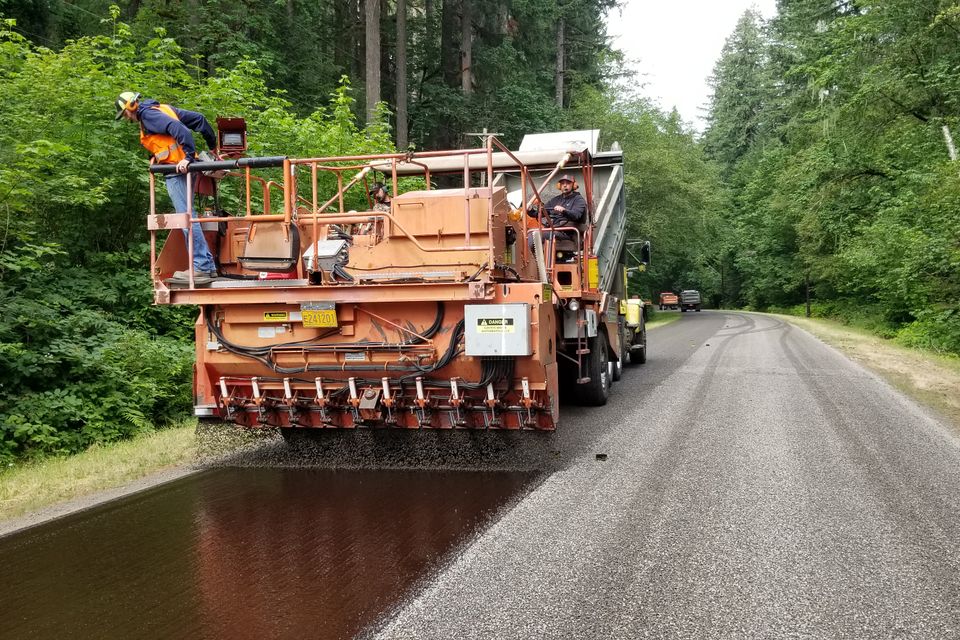
Some councils are already putting this thinking into practice. Examples include innovative resurfacing projects aimed at greener road networks.
Challenges turning policy into delivery
Setting targets for walking or cycling is straightforward. Delivering continuous, well-maintained routes integrated with public transport and existing infrastructure is more complex.
The guidance calls for local transport plans to consider improvements in public transport accessibility alongside active travel. This requires a joined-up view across policy areas that have traditionally been separate.
Future impacts on UK highways sector
The guidance does not impose immediate changes such as new roads or altered speed limits. Instead, it shapes the planning framework within which councils prioritise transport schemes.
Its effects will become clear over time, when transport plans influence designs, funding applications and on-the-ground projects.
Highways professionals should note the shift in strategic questions councils need to answer now. How authorities integrate active travel will affect scheme development and delivery across England’s local transport networks.